
Odour isn’t always visible, but it can quickly define how a site is perceived — by workers, nearby communities, and regulators alike. In industrial and commercial settings, managing unpleasant smells is not just about comfort. It’s often a matter of compliance, reputation, and public health.
Odour control has become a critical part of operations in sectors like waste management, food processing, water treatment, and agriculture. The sources of odour can vary widely — from decomposing organic matter to chemical reactions or the handling of raw materials — but the consequences are usually similar. Complaints from nearby residents, strained relationships with local authorities, and even operational restrictions can follow if odours are allowed to persist unchecked.
While the problem might seem straightforward on the surface, odour is a complex issue to tackle. It doesn’t behave like visible pollution. Smells can travel on the wind, fluctuate depending on temperature or humidity, and affect people differently depending on their sensitivity. What one person might consider a mild annoyance, another might find overwhelming. This variability makes monitoring and managing odours especially challenging.
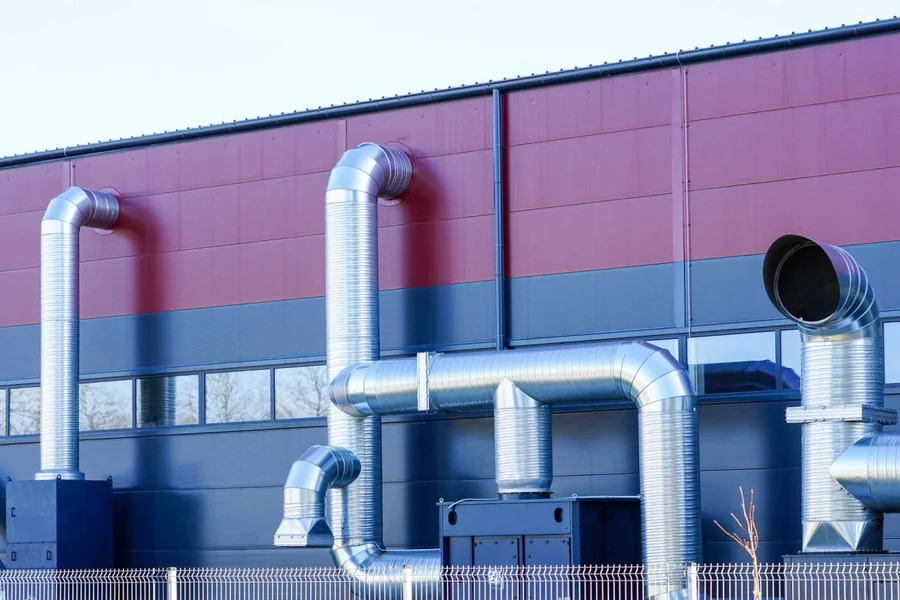
Effective odour control starts with understanding the source. Identifying where emissions are coming from and under what conditions they’re most intense allows for more targeted solutions. In some cases, physical containment is enough — sealing tanks, using covers, or installing extraction systems. In others, odours need to be neutralised or filtered using chemical scrubbing, carbon filtration, or biofiltration methods that break down odour molecules as air passes through them.
It’s not a one-size-fits-all situation. Different processes produce different odours, and what works in a composting facility might be entirely unsuitable for a dairy plant or sewage treatment site. That’s why many operators turn to multi-layered strategies — combining physical, chemical, and biological methods depending on the scale of the problem and the type of emissions involved.
Public perception plays a big role in how odour is managed. A site that emits strong smells, even occasionally, can quickly become the focus of local frustration — regardless of how well it’s performing in other areas. In this context, odour control becomes a matter of social responsibility as much as regulatory compliance. It shows a willingness to operate considerately, to invest in long-term solutions, and to acknowledge the impact industrial activity can have on the people who live nearby.
There’s also a growing environmental aspect. As urban areas expand and planning regulations tighten, industries that once operated in isolated locations are now finding themselves closer to residential zones. Odour mitigation is no longer optional in these cases — it’s essential to remaining operational and maintaining good community relations.
In short, odour is more than just a smell. It’s a signal — of how a site is run, how it’s perceived, and how it fits into its surrounding environment. And while odour control may not always be the first issue raised in industrial planning, it often becomes one of the most important to get right.