
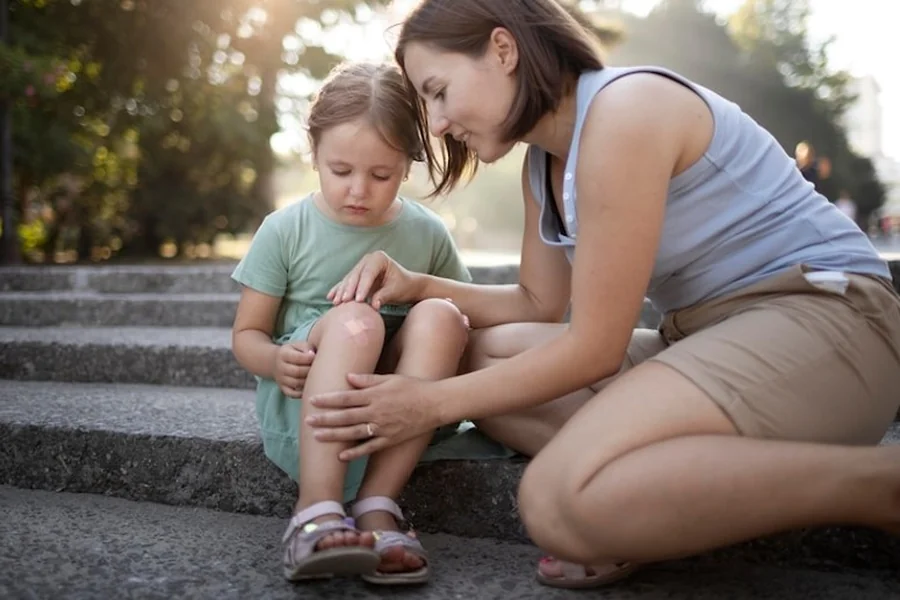
Every year, thousands of children in the U.S. suffer injuries that could have been prevented. These injuries happen at home, on playgrounds, or even in cars—places we assume are safe. As parents or guardians, we have a responsibility to protect our children from harm by being vigilant, cautious, and proactive.
When this duty is ignored, the consequences can be severe, not just for the child’s health, but also legally. You may need legal guidance to get justice for your child’s injury, especially when someone’s negligence has played a role.
In these cases, understanding our responsibilities isn’t just good parenting—it’s a legal matter too.
Key Responsibilities of Parents in Injury Prevention
Parents have a legal and moral responsibility to keep their children safe and secure. This means taking practical steps every day to lower the risk of injury. Key responsibilities include:
- Supervision: Children need close watching, especially in risky areas like roads, swimming pools, or playgrounds. A moment of distraction can lead to serious harm.
- Home Safety: Parents should secure sharp tools, cover electrical outlets, lock up medicines, and keep cleaning products out of reach.
- Education: Teaching kids basic safety rules—like not talking to strangers, looking both ways before crossing the street, and knowing what to do in a fire—can prevent accidents.
- Proper Equipment: Car seats, bike helmets, and protective gear aren’t optional—they’re essential. Using them correctly makes a big difference in keeping children safe.
When Parental Negligence Leads to Liability
In legal terms, negligence means failing to take reasonable care to prevent harm. For parents, this can involve not doing something a careful person would have done to protect a child’s safety.
For example, leaving a young child alone near a swimming pool or failing to lock away cleaning products can be considered negligent. These are avoidable risks.
Courts look at what a “reasonable” parent would have done in the same situation. If a parent’s actions—or failure to act—are found to have caused or worsened an injury, they may be held legally responsible.
How Legal Claims Work in Child Injury Cases
When a child is hurt, legal claims can help families obtain compensation. Often, these are third-party claims. This means suing someone else who was careless, such as a property owner who failed to repair a broken step or a company that manufactured a faulty toy. These outside parties are held responsible for their actions.
Sometimes, though less common, parents might face parental liability. These cases occur where a parent’s extreme carelessness directly led to a child’s serious injury, and another party seeks to hold them financially responsible. An example might be if a parent allowed a dangerous situation on their property that harmed another child.
The process for filing a claim involves gathering evidence. This includes critical medical records documenting the injury and its treatment, as well as statements from witnesses who observed the incident.
Insurance often plays a big part, too. Depending on where and how the injury occurred, a homeowner’s policy or auto insurance might cover costs. The goal is to raise money to help with medical bills and other expenses related to the child’s recovery.
Balancing Protection and Legal Accountability
Accidents can happen, but many are avoidable with simple, proactive steps. By staying alert and making safety a daily priority, we can protect both our children and ourselves from potential legal trouble. It’s not just about preventing injuries; it’s about understanding our role and responsibility in keeping kids safe and protected.