
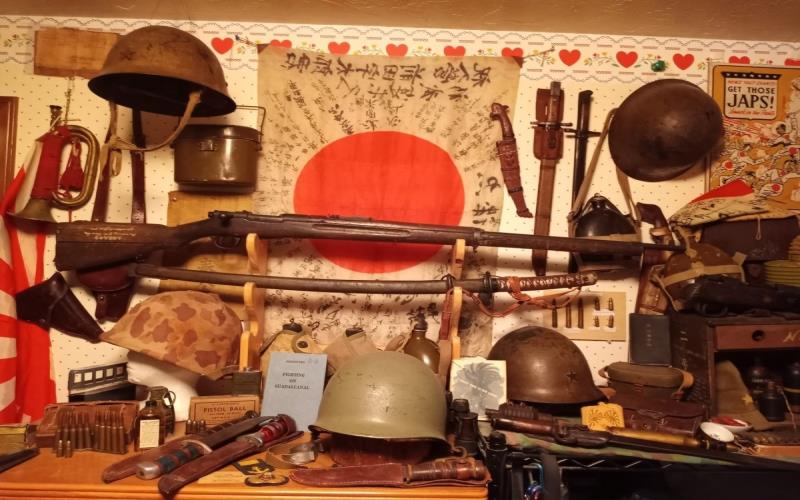
Historical artifacts serve as powerful reminders of the past, preserving the stories of those who lived through important events. The existence of a war-era artifact repository reflects the effort to safeguard history for future generations. These valuable items offer insight into wartime experiences, military advancements, and cultural shifts. This article explores the origins of such collections and the different ways they have been assembled over time.
Gathering Artifacts Through Veteran Donations
The WWII artifact collection began with contributions from veterans who wanted to preserve their experiences. Many soldiers and their families donated personal belongings, including uniforms, medals, letters, and photographs. These items offer a firsthand perspective on the war, showing the realities faced by those who served. Each piece tells a unique story, making history more personal and relatable.
Donations from veterans help maintain an authentic connection to the past. Personal items capture emotions and experiences that historical records sometimes overlook. Letters reveal personal struggles, while medals showcase acts of bravery. These objects serve as lasting reminders of the sacrifices made during WWII.
Recovering Items from Battlefields and Military Sites
Many artifacts were found in former battle zones, abandoned bases, and historical military locations. Archaeologists and historians have carefully excavated these sites to recover lost objects. Weapons, equipment, and uniforms left behind provide insight into the strategies and conditions of the time. These discoveries contribute to a more complete understanding of history.
Time and environmental conditions can damage items left on battlefields. Specialized conservation techniques are required to restore and preserve these historical objects. Some pieces, like rusted helmets or faded documents, undergo detailed restoration to prevent further deterioration. Preserving these materials ensures that future generations can study and appreciate them.
Acquiring Artifacts Through Museums and Auctions
Museums and private collectors have played a significant role in building WWII artifact collections. Many institutions actively acquire items through auctions, estate sales, and historical trades. Some artifacts have passed through multiple hands before reaching their final destinations. Each piece carries a rich history that extends beyond its original use.
Collecting items from different sources helps create a well-rounded historical archive. Artifacts from different countries provide a global perspective on the war. Letters from civilians, propaganda posters, and military equipment offer varied insights. Each item adds a new layer of depth to the historical record.
Preserving Artifacts for Future Generations
Once artifacts are collected, proper preservation becomes a priority. Without careful maintenance, historical materials can degrade over time. Museums and historical centers use climate-controlled environments to protect delicate items. Advanced techniques like digital archiving help preserve fragile documents and photographs.
Educational programs often incorporate these artifacts into learning experiences. Seeing real objects from WWII makes history feel tangible and engaging. Schools, historians, and researchers rely on these collections to share knowledge. The careful protection of these objects ensures that history remains accessible for years to come.
Why Is It Important to Continue Expanding These Collections?
Expanding WWII relic exhibitions ensures that history remains alive and well-documented. As new discoveries are made, additional pieces contribute to a broader understanding of wartime events. Every artifact represents a piece of a larger historical puzzle. Without ongoing efforts, valuable historical materials could be lost or forgotten over time.
Future generations benefit from the ability to study real objects from the past. Understanding the struggles, triumphs, and losses of WWII helps shape a more informed society. Preserving and growing these collections guarantees that the lessons of history remain available to all.
The WWII artifact collection exists because of dedicated efforts to preserve history. Contributions from veterans, battlefield discoveries, museum acquisitions, and preservation techniques all play a role in maintaining these treasures. The commitment to protecting these artifacts ensures that the stories of WWII continue to be shared with the world.