
In the modern era of manufacturing, industrial automation has become synonymous with peak efficiency and technological advancement. However, despite the rapid growth of automation technologies, human inputs remain irreplaceable in many aspects of industrial processes. The integration of human expertise with automated systems, particularly through interfaces such as screen control panels, is critical for enhancing productivity, ensuring quality, and facilitating continuous improvement in manufacturing environments. This article explores the enduring value of human inputs in the context of highly automated industries, underscoring the complementary relationship between human skills and machine efficiency.
The Role of Human Inputs in Automated Systems
Industrial automation systems are designed to perform tasks with high efficiency and minimal error, yet human oversight and intervention are essential for several reasons:
Decision Making and Critical Thinking
While machines excel in performing predefined tasks repeatedly, they lack the capability for complex decision-making that requires judgment and critical thinking. Humans bring a level of oversight that is crucial for handling unexpected situations such as equipment malfunctions or production anomalies. The human ability to assess and respond to diverse scenarios ensures that operations remain flexible and adaptable.
System Programming and Optimization
The initial programming and ongoing optimization of automated systems rely heavily on human expertise. Engineers and technicians program machines and design workflows, setting parameters that align with production goals and safety standards. Additionally, continual adjustments are often necessary to refine these systems, a task that requires a deep understanding of both the technology and its application in specific industrial contexts.
Quality Control and Assurance
While automated systems can enhance consistency, human oversight is crucial for quality control and assurance. Humans evaluate the output from multiple perspectives, not just against technical specifications but also considering factors like end-user satisfaction and compliance with regulatory standards. For instance, in industries like pharmaceuticals or food production, where compliance with safety and quality standards is paramount, human expertise is essential to oversee the entire production process and respond to quality audits.
Training and Knowledge Transfer
Humans are central to the training and development of workforces capable of interacting with advanced automation systems. Experienced workers and managers play a crucial role in mentoring new employees, imparting knowledge about the nuances of machine operation that are not immediately obvious from manuals or training software.
Integrating Human Inputs with Automation Technologies
To maximize the benefits of both human expertise and automated machinery, industries employ various integration strategies:
Use of Advanced Human-Machine Interfaces (HMIs)
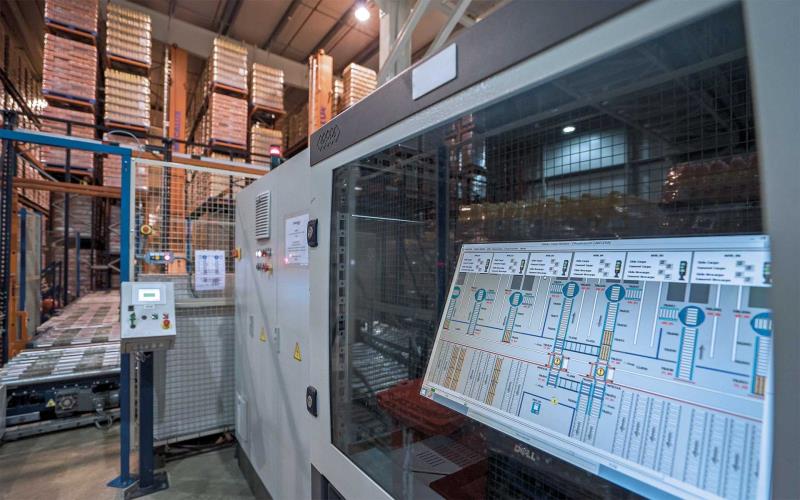
Human-Machine Interfaces, such as screen control panels like the VCP08.2DTN-003-SR-NN-PW panel, are pivotal in bridging the gap between human operators and machine processes. These interfaces provide a user-friendly, graphical overview of machine operations, allowing operators to monitor and control complex systems efficiently. Screen control panels enable workers to adjust machine settings in real-time, respond to system alerts, and manage production workflows, all from a central location. This integration enhances the operator’s ability to make informed decisions quickly, leveraging the speed and precision of automated systems while maintaining human oversight.
Collaborative Robots (Cobots)
Cobots are designed to work alongside human operators, combining the strength and precision of robots with the problem-solving capabilities of humans. In tasks that require a high degree of manual dexterity or decision-making, cobots can handle the physically demanding or highly repetitive parts of the task, while humans manage aspects that require judgment and fine control.
Data Analytics and Decision Support Systems
Integration of data analytics tools in automation systems provides human operators with actionable insights derived from real-time data. These systems can suggest optimizations, predict potential failures, or flag quality issues, aiding human operators in making more informed decisions.
Challenges and Considerations
Despite the advantages, integrating human inputs with automated systems presents several challenges:
- Ergonomic and Interface Design: Designing interfaces that are intuitive and accessible for human operators requires careful consideration of ergonomic principles.
- Training and Adaptation: Ensuring that the workforce is well-trained to interact with advanced automation systems is an ongoing challenge that requires both time and resources.
- Balancing Automation and Employment: There is a need to balance the efficiency gains from automation with the potential impact on employment, ensuring that workers are retrained or redeployed effectively.
Conclusion
The value of human inputs in industrial automation cannot be overstated. While automated systems provide efficiency and precision, human oversight, judgment, and intervention play critical roles in managing and optimizing these systems. Interfaces like screen control panels that are supplied by Indramat exemplify how technology can enhance human capabilities rather than replace them, leading to smarter, more responsive manufacturing processes. As industries continue to evolve, the successful integration of human expertise with automation will be key to achieving sustainable growth and innovation in the manufacturing sector.