
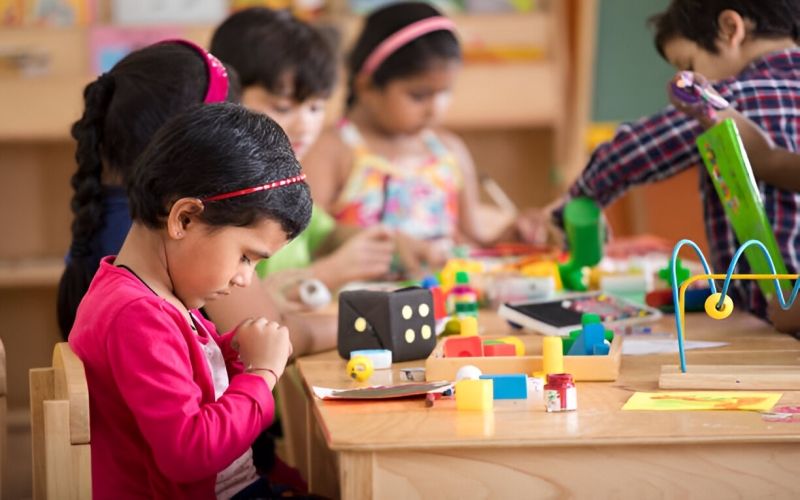
A preschool environment plays a crucial role in shaping a child’s early educational experience. Creating a warm and welcoming setting helps children feel safe, supported, and eager to learn. Whether you are a parent looking for the best preschool or an educator striving to improve your classroom atmosphere, understanding the key elements of a nurturing preschool environment is essential. This article explores the features that make a preschool environment feel warm and welcoming for children, helping to foster their emotional, social, and academic development.
Features of a Nurturing Preschool Environment
A nurturing preschool environment is more than just a well-designed space—it’s a place where children can thrive emotionally, socially, and academically. Below are some of the essential features that contribute to a nurturing preschool:
1. Safe and Secure Setting
Safety is the foundation of any warm and welcoming preschool environment. Before a child can engage in play or learning, they need to feel physically and emotionally secure. Features such as gated playgrounds, child-proofed furniture, and safe classroom layouts ensure that children can explore their environment without risk of injury.
Beyond physical safety, emotional security is just as important. Teachers and staff should be trained to support children emotionally, offering comfort when they feel anxious or unsure. A nurturing teacher who creates trust with the children fosters an environment where they feel free to express themselves and try new things without fear of failure.
2. Bright, Inviting Classrooms
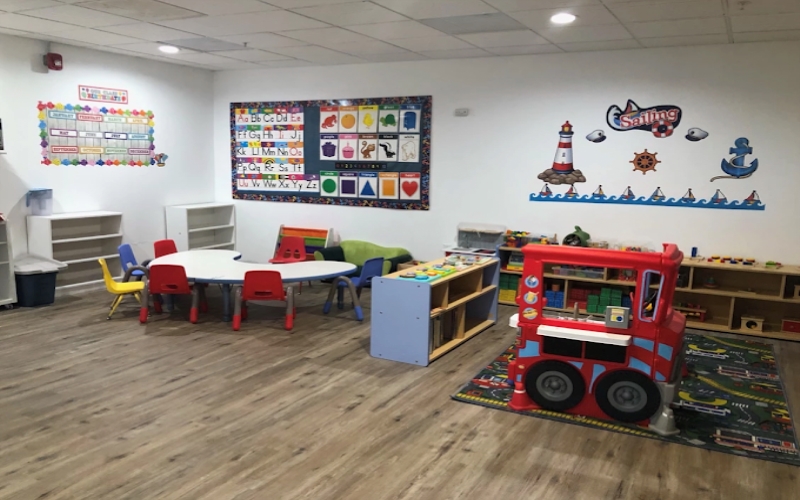
Classroom design has a significant impact on how children feel in a preschool. In a Torrance preschool, a warm and welcoming classroom is often bright and colorful, with decorations that reflect the children’s interests and achievements. Child-sized furniture, soft cushions, and cozy reading corners make the room feel homely and encourage children to engage with the environment.
Natural light is another crucial factor. Sunlight boosts mood and energy levels, helping children stay focused and positive throughout the day. Research even suggests that kids need daylight to support their well-being and development. Many preschools, including those in Torrance, feature large windows or skylights to bring the outdoors inside, creating a cheerful and dynamic atmosphere.
3. Stimulating Play Areas
A warm preschool environment offers diverse and stimulating play areas where children can explore, experiment, and socialize. These areas should be designed to promote both active play and quiet, reflective activities. For example, sand and water play stations encourage sensory exploration, while building blocks and puzzles foster problem-solving skills.
Group play areas promote social interaction and collaboration, while individual play stations allow children to focus and develop their personal interests. A balance between the two types of activities creates an inclusive environment where every child feels welcomed and engaged.
4. Personalized Learning Spaces
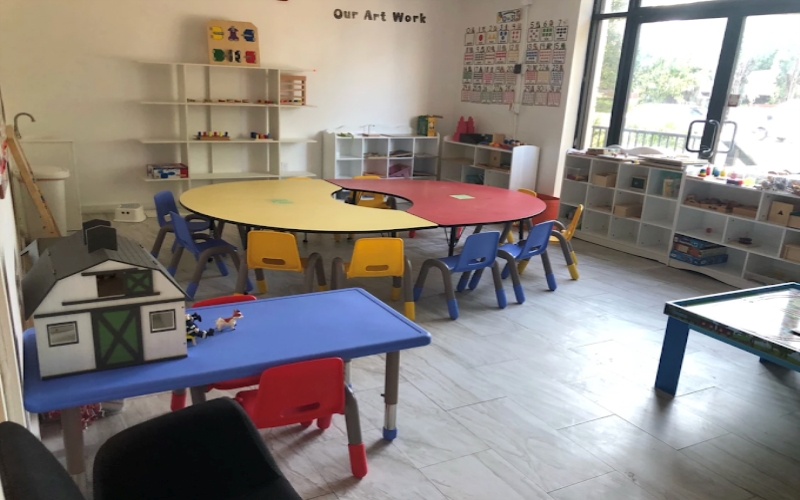
Personalization is a hallmark of a nurturing preschool. When children see their names, artwork, and photos displayed around the room, they feel a sense of belonging. A welcoming preschool ensures that each child has a designated space, such as a cubby or locker, where they can store their belongings. This not only helps children develop responsibility and organization skills but also gives them a sense of ownership in the classroom.
Including multicultural materials, books, and toys in the classroom also helps children from different backgrounds feel represented and accepted.
5. Engaged and Caring Staff
The role of teachers and staff is pivotal in creating a warm preschool environment. A caring, patient, and engaging staff member builds strong emotional connections with the children, which is essential for their confidence and well-being. When teachers model kindness, empathy, and good listening, children learn to emulate these behaviors in their interactions.
Consistency in staffing is also important. Children feel more secure when they see familiar faces daily. A nurturing teacher who remains present throughout the year helps build stable relationships that support emotional development.
6. Inclusive and Culturally Responsive Environment
Children come from diverse backgrounds, and a welcoming preschool celebrates this diversity. Whether through cultural decorations, bilingual signage, or special events that recognize different traditions, an inclusive preschool environment helps every child feel valued. Culturally responsive teaching practices also ensure that each child’s unique identity is embraced and encouraged.
7. Calm and Structured Routines
Preschool-aged children thrive on routine. Consistent daily schedules help children feel secure because they know what to expect. A warm preschool environment blends structure with flexibility, ensuring that transitions between activities are smooth and stress-free.
Teachers can use visual schedules, songs, or gentle reminders to prepare children for what’s next, helping them manage their time and reducing anxiety about changes. Routines, such as circle time or story time, provide opportunities for children to build connections with their peers and teachers.
Tips for Selecting a Preschool
When looking for a preschool, it’s important to consider whether the environment meets your child’s emotional, social, and educational needs. Here are a few tips for selecting a preschool that provides a warm and welcoming atmosphere:
- Observe the Classroom Dynamics: Watch how teachers interact with the children. Are they attentive, patient, and kind? A warm preschool environment depends heavily on how the staff nurtures children.
- Look for Child-Centered Spaces: Check if the classroom is organized in a way that allows children to explore and learn independently. Child-friendly furniture, accessible materials, and areas dedicated to different types of play are all signs of a well-designed environment.
- Evaluate Safety Measures: Ensure the preschool takes both physical and emotional safety seriously. Look for security features like locked doors, fenced play areas, and properly maintained equipment.
- Ask About Routines and Curriculum: A good preschool combines structured routines with play-based learning. Make sure the preschool follows a curriculum that balances academic readiness with social and emotional development.
Conclusion
A warm and welcoming preschool environment is essential for fostering children’s confidence, creativity, and love of learning. By offering a safe, engaging, and nurturing space, preschools can ensure children feel comfortable and supported as they embark on their educational journey. When selecting a preschool, consider how the environment promotes both personal growth and community engagement and ensure it meets your child’s unique needs.