
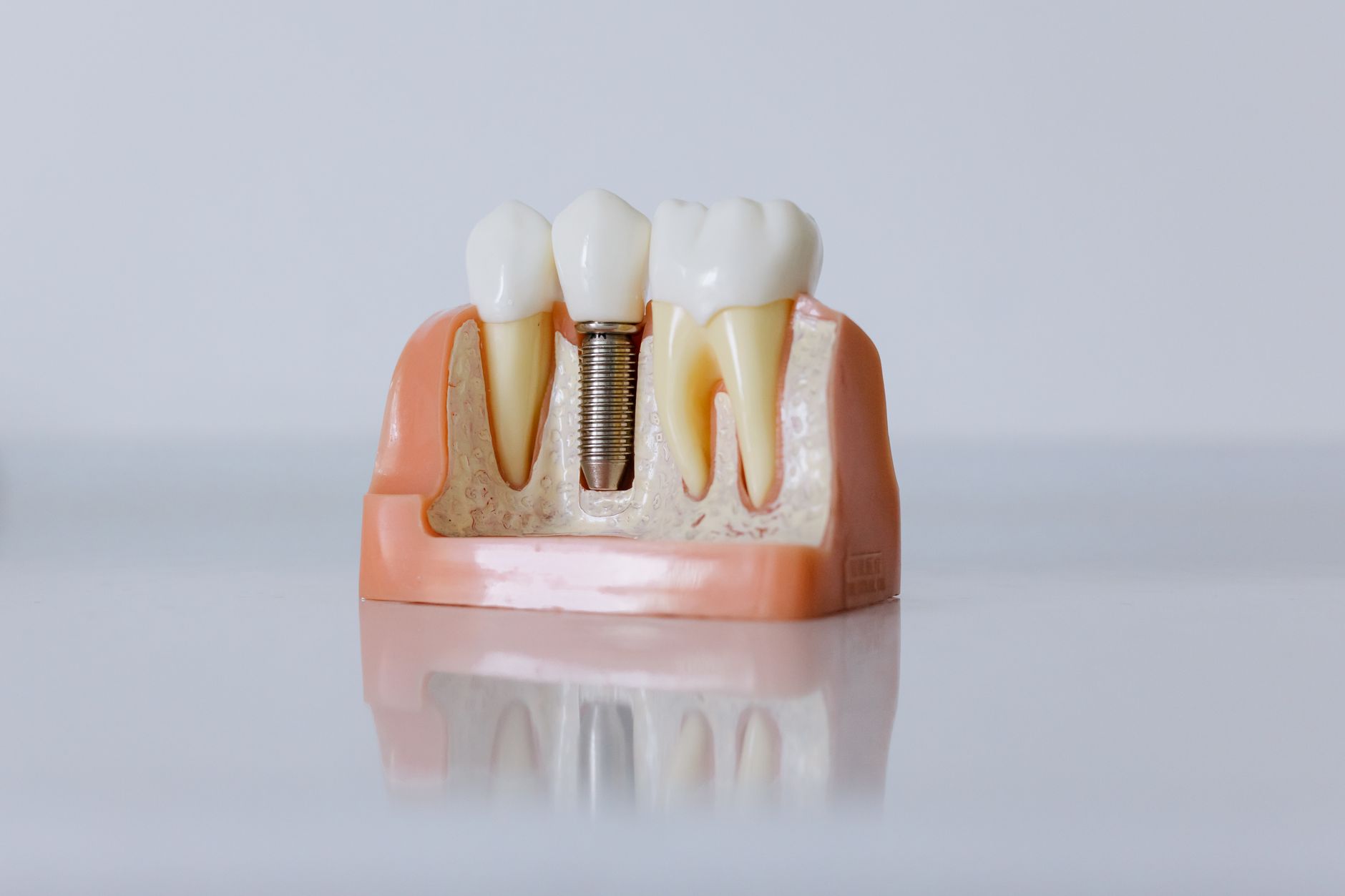
You may have started this process thinking dental implants were a simple next step. Then the scan showed bone loss, a tooth still trapped under the gums, or sinus space sitting lower than expected. That can feel frustrating fast, especially if you were hoping to replace a missing tooth and move on. The truth is that some people need extra treatment before implants because the jaw and surrounding tissues have to be healthy and stable first. An Oral Surgeon for Watchung NJ can help evaluate these issues and recommend the right path forward.
If your dentist or oral surgeon mentions grafting, extraction, or another procedure before implant placement, it does not mean implants are off the table. It usually means they are trying to give the implant a stronger foundation and a better long term result. In many cases, the issue comes down to bone, gum support, or anatomy that needs to be corrected before the implant can be placed safely.
Bone Loss Is One of the Clearest Signs You May Need Oral Surgery Before Dental Implants
When a tooth has been missing for a while, the jawbone in that area often shrinks. You cannot see all of that loss by looking in the mirror, but you may notice a dent in the gumline, a sunken look around the missing tooth, or a denture that feels looser than it used to. An implant needs enough bone to hold it firmly. Without that support, the implant may not be stable or may be placed in a poor position.
This is one of the most common reasons people need oral surgery before implants. A bone graft can rebuild the area so the implant has enough structure around it. Harvard School of Dental Medicine explains when a bone graft may be needed before a dental implant, especially when there is not enough bone height or width for placement.
You might hear this and immediately think about cost, healing time, or whether the process just became much harder. That reaction makes sense. Still, placing an implant into weak bone usually creates bigger problems later. The extra step often protects your investment instead of adding unnecessary treatment.
Impacted Teeth, Broken Teeth, or Infection Can Delay Implant Placement
Sometimes the issue is not missing bone. It is a tooth or infection that has to be addressed first. A badly broken tooth, a root tip left under the gum, or an impacted tooth can block the implant site or damage nearby tissue. Ongoing infection can also weaken the bone and make healing less predictable.
This is where oral surgery before dental implants often becomes necessary. A surgical extraction may be needed to remove damaged teeth cleanly and preserve as much bone as possible. If there is infection, the area may need time to heal before an implant is placed. Rushing this step can lead to poor integration, pain, or another procedure later.
The University of Rochester notes in its guide on considering dental implants that overall oral health matters because healthy bone and gums help support implant success. That is why your surgeon may recommend clearing infection and stabilizing the area first, even if you are eager to finish treatment quickly.
Sinus or Jaw Anatomy Problems Often Mean You Need Pre Implant Surgery
Upper back teeth sit close to the sinus cavity. After tooth loss, the bone there can become thin, and the sinus can drop lower into the space where an implant needs to go. In the lower jaw, nerves may sit close to the planned implant site. These are not small details. They affect whether an implant can be placed safely and where it can go.
If your provider talks about a sinus lift or another preparatory procedure, they are responding to your anatomy, not creating obstacles. This is a common form of pre implant surgery, and it is often the difference between a rushed placement and one that has room to heal properly. Tufts highlights what to know before and after you get dental implants, including the planning and healing factors that shape the process.
You may not feel any symptoms from a low sinus floor or limited bone near a nerve. That is part of what makes imaging so important. A 3D scan often reveals why an implant cannot simply be placed the same day without preparation.
Common Signs and What They Usually Mean for Implant Planning
| Sign | What it may indicate | Possible surgical step |
| Sunken gumline or long term missing tooth | Jawbone shrinkage | Bone graft before implant placement |
| Broken tooth at the gumline, root tip, or swelling | Damage or infection in the implant area | Surgical extraction and site healing |
| Upper back tooth missing with limited bone on scan | Low sinus floor or thin bone | Sinus lift or grafting procedure |
| Numbness risk or limited space near a nerve | Challenging lower jaw anatomy | Adjusted treatment plan or staged surgery |
Not everyone with these signs needs the same treatment. Two people can both have missing molars and end up with very different plans because bone quality, gum health, smoking history, and how long the tooth has been gone all change the picture. That is why a personal exam matters more than guesses based on symptoms alone.
Practical Steps to Take Before You Commit to Dental Implant Surgery
Get a scan based treatment plan. If you have only had a basic exam, ask whether 3D imaging is needed. Bone width, sinus position, and nerve location are easier to judge on a scan than on a regular X ray. This is often the step that confirms whether you need a graft, extraction, or other implant preparation surgery.
Ask what problem the surgery is solving. You deserve a clear explanation in plain language. Is the issue bone loss, infection, a damaged tooth, or sinus space? Once you know the reason, the treatment tends to feel less random and more manageable.
Plan for healing time and total cost up front. Some procedures allow implant placement the same day. Others require a healing period before the implant can be placed. Ask for a timeline that includes each stage, expected discomfort, and full fees so there are fewer surprises.
A Stronger Foundation Usually Leads to a Better Implant Outcome
Hearing that you may need oral surgery before implants can feel like a setback, but it is often the step that makes the final result possible. Stable bone, healthy tissue, and careful planning give implants a better chance to last and feel natural. If your exam suggests extra treatment first, take that as a sign that the process is being built on a stronger foundation, not rushed.
If you are considering care from an Oral Surgeon And Implant Dentist, schedule an evaluation and get clear answers about what your mouth needs before implant placement begins.