
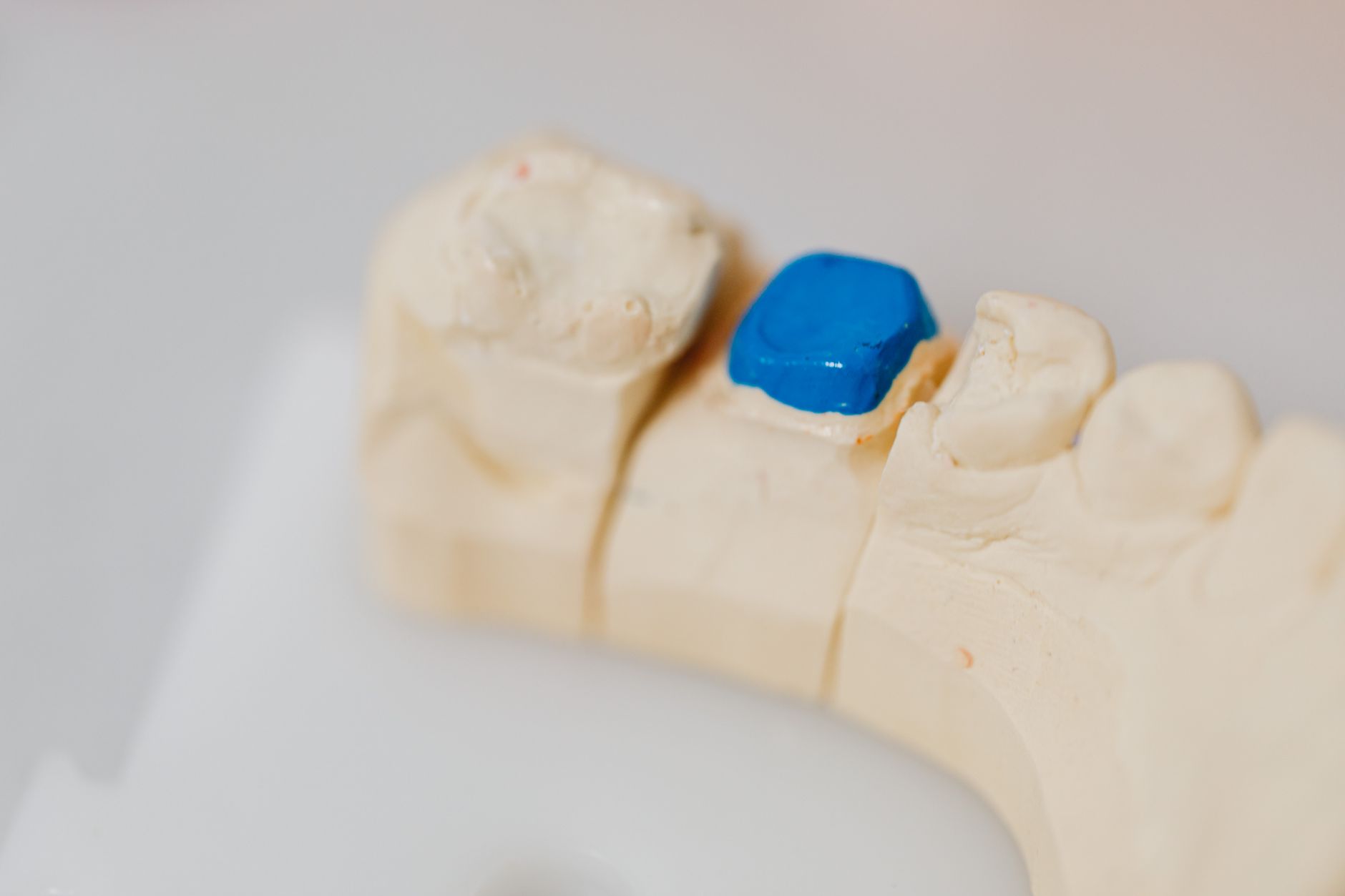
Losing a tooth changes more than your smile. You may already feel the shift in small, annoying ways, and a local dentist in Canmore can help you understand what to expect next. Food catches in a new spot. Your bite feels off. You notice a gap, then start wondering whether the teeth around it are moving. That concern is real. After tooth loss, nearby teeth can start drifting into the empty space, and that movement can affect chewing, speech, comfort, and the way your teeth fit together.
How restorative dentistry helps prevent teeth from drifting after tooth loss comes down to one simple goal. It fills the space before the rest of your mouth starts adapting in the wrong way. General, cosmetic, and restorative dentistry can replace missing teeth, protect the teeth that remain, and help keep your bite stable. When a gap stays open too long, the problem rarely stays small.
Tooth loss changes the balance of your bite
Your teeth support each other. Each one helps hold its neighbors in place, and each upper tooth depends on a lower tooth for contact when you bite. Once a tooth is gone, that balance changes. Teeth next to the gap may lean inward. The tooth across from the gap may begin to move because it no longer has an opposing surface to meet. Over time, that can create uneven pressure, wear, and jaw discomfort.
This is why restoring missing teeth to prevent shifting matters. The longer the space remains open, the more your mouth tries to compensate. You might not notice major movement right away, but small changes build. A slight tilt can turn into crowding. A bite that feels a little strange can become harder to clean, harder to chew with, and more likely to trap plaque.
That creates another layer of risk. Areas that are harder to brush and floss often become areas where decay and gum problems begin. The National Library of Medicine explains how tooth decay develops when plaque and acids damage the tooth surface. Once drifting teeth create awkward spaces and overlap, keeping those surfaces clean gets harder.
Restorative dentistry replaces support before more damage starts
Restorative dentistry after tooth loss is not only about appearance. It is about function and prevention. Replacing a missing tooth can help preserve spacing, reduce extra stress on nearby teeth, and support a more even bite. Depending on your needs, that may involve a dental implant, a bridge, or a partial denture.
An implant replaces the missing tooth root and crown, which helps maintain support in the area. A bridge uses neighboring teeth or implants to fill the gap. A partial denture can restore several missing teeth and improve chewing while helping limit further movement. The right choice depends on the condition of your gums, jawbone, surrounding teeth, budget, and long term goals.
You may be thinking about waiting until the gap becomes more of a problem. That is common, especially when the missing tooth is not easy to see. The issue is that delay can make treatment more complex. If teeth shift too far, you may need additional care before the replacement can even be placed. What starts as one missing tooth can become a bite correction issue, gum issue, or multiple tooth restoration plan.
Research from the National Institute of Dental and Craniofacial Research shows continued progress in dental materials used in restorative care. That matters because modern restorations are designed to be durable, functional, and more natural looking than many people expect.
Prompt treatment helps protect oral health and daily comfort
The effects of tooth loss are not limited to one space in your mouth. They can affect what you eat, how you speak, and how confident you feel around other people. The broader picture of oral health in the United States also shows why prevention matters. The NIDCR report on oral health advances and challenges in America outlines how oral conditions can influence quality of life, function, and long term health.
If you have ever caught yourself chewing on one side only, avoiding certain foods, or smiling with your lips closed, you are already living with the effects. A missing tooth often changes habits before it changes appearance in a dramatic way. Restoring that tooth can reduce those daily workarounds and help you feel more like yourself again.
Common restorative options and what they help prevent
| Option | How it fills the space | How it helps prevent drifting | Practical note |
| Dental implant | Replaces the missing root and visible tooth | Keeps the gap occupied and supports bite stability | Often a strong long term choice when bone and gums are healthy |
| Dental bridge | Suspends a replacement tooth between supports | Blocks nearby teeth from tipping into the space | May be useful when adjacent teeth already need crowns |
| Partial denture | Removable appliance replacing one or more teeth | Helps maintain spacing and improve chewing | Usually lower upfront cost, though fit may need adjustment over time |
| No treatment | Leaves the space open | Does not prevent shifting, bite changes, or added wear | Can lead to more involved treatment later |
Small steps now can prevent bigger dental problems later
1. Schedule an evaluation soon after tooth loss.
Timing matters. Even if the area is not painful, an exam can show whether nearby teeth have started moving, whether bone loss is a concern, and which restorative option fits your needs best.
2. Ask about the long term effect on your bite, not just the gap.
A missing tooth is part of a larger system. Ask how treatment will affect chewing, cleaning, jaw comfort, and the teeth around the space. That conversation often changes how people think about replacing a tooth.
3. Protect the teeth you still have.
Brush twice a day, floss daily, and keep regular dental visits. If you are chewing unevenly or grinding because your bite feels off, mention it. Those details help shape the right restorative plan.
Replacing a missing tooth can preserve more than your smile
When a tooth is missing, your mouth does not stay still. Teeth move, pressure shifts, and simple routines can become frustrating. General, cosmetic, and restorative dentistry can close the gap, steady your bite, and help prevent problems that spread beyond one lost tooth. If you have been putting this off, you do not need to wait for the changes to become obvious before taking the next step.
Schedule a dental evaluation and find out which restorative option can help keep your teeth in place and your bite working the way it should.