
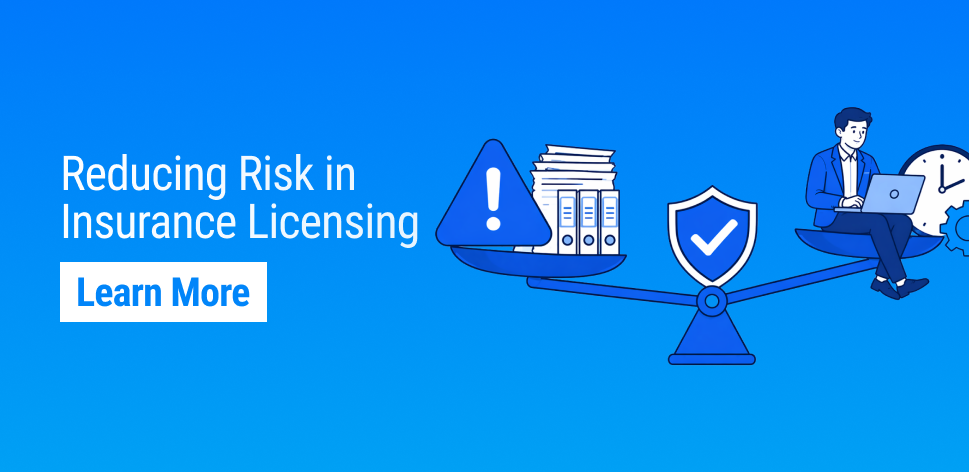
In the United States insurance industry, regulatory compliance plays a critical role in managing producer licensing and carrier appointment processes. Insurance agencies, carriers, and MGAs must ensure that every producer meets licensing requirements before being authorized to operate.An insurance agent background check is an essential step in this compliance workflow. It helps verify whether insurance producers meet state licensing standards, appointment eligibility, and regulatory expectations before engaging in insurance activities.As insurance operations expand across multiple states, compliance complexity increases due to varying state regulations and ongoing renewal requirements.
Increasing Complexity in Insurance Licensing
Insurance licensing is not a one-time verification process. It requires continuous tracking of producer status, appointment validity, and state-specific compliance rules.
Regulatory requirements require insurance carriers to verify producer eligibility before assigning carrier appointments.
An insurance agent background check typically supports verification of:
- Active producer license status
- State compliance eligibility
- Carrier appointment readiness
- Renewal timelines
- Regulatory standing
- Multi-state licensing consistency
Without accurate tracking, insurance organizations may face compliance gaps and operational delays.

Administrative Challenges in Producer Management
Compliance teams often face operational inefficiencies when managing producer data across disconnected systems.
Manual Tracking Limitations
Spreadsheet-based systems increase the risk of missing renewals and appointment deadlines.
Delayed Appointment Processing
Carrier appointment workflows depend on verified licensing data, and delays can impact onboarding timelines.
Fragmented Data Systems
Producer information stored in multiple systems reduces visibility and increases administrative workload.Many insurance organizations are now adopting centralized insurance compliance platforms like Agenzee to improve operational efficiency.
Role of Insurance Automation in Compliance
Insurance automation helps streamline licensing workflows by centralizing data and reducing manual tasks.
A structured workflow includes:
- Verify insurance agent background check information
- Confirm producer licensing status
- Validate carrier appointment eligibility
- Track renewal deadlines
- Monitor regulatory requirements
- Generate compliance reports
This approach helps improve consistency and reduces operational risk.
Conclusion
An insurance agent background check plays a vital role in strengthening insurance compliance and reducing licensing risk.Organizations that operate in multi-state environments must ensure accurate producer management and efficient appointment tracking to avoid regulatory issues.Insurance automation systems like Agenzee help reduce administrative burden and improve visibility across licensing workflows.