
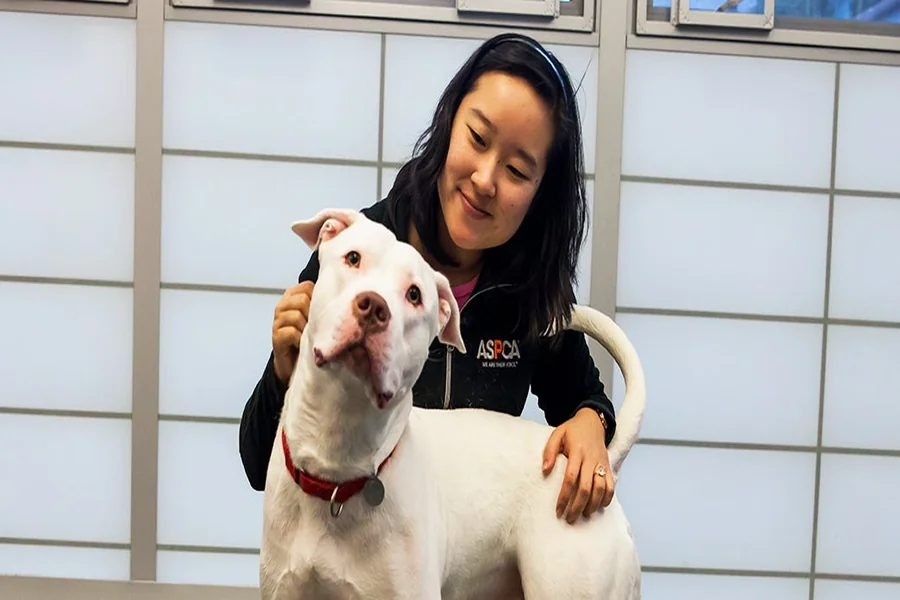
You might be feeling a mix of worry, guilt, and frustration right now. Your pet used to be the easy part of your day, and now you are bracing yourself every time the doorbell rings, a guest visits, or you reach for the leash. Maybe your cat has started spraying or hiding, or your dog growls without warning, and you are quietly wondering, “Is this my new normal?” A consultation with a Chester County vet can be the first step toward finding answers and relief for both you and your pet.
It often starts small. A little stiffness when you move a food bowl. A bark that turns into a lunge on walks. A kitten that hisses “just at the vet” and then starts doing it at home. Over time the tension grows. You start rearranging your life around your pet’s behavior. Fewer visitors. Shorter walks. Closed doors and constant worry.
If that is where you are, you are not alone, and you are not a bad pet parent. Behavioral issues are one of the most common reasons people feel overwhelmed with their pets. The good news is that a general veterinarian can play a powerful role in turning things around. In simple terms, veterinarians help by finding underlying medical causes, creating behavior plans, guiding you through training options, and helping you stay safe as you work through this with your pet.
So where does that leave you right now. It means there are practical ways forward. You do not have to guess. You can use your vet as a partner, not just for vaccines, but for behavioral issues in dogs and cats that are disrupting your home.
Why is your pet acting this way, and what makes it feel so overwhelming?
Behavior problems rarely feel “minor” when you are living with them every day. There is the emotional side. You might feel embarrassed when your dog barks at people, or heartbroken that your once cuddly cat now hides under the bed. You might even feel scared of your own pet at times. That alone can be very heavy to carry.
Then there is the practical side. You may be spending money on training that does not seem to work, cleaning up damage or accidents, or buying extra baby gates, crates, or litter boxes. You might worry that someone will get hurt, or that you will be forced to rehome your pet if things do not improve.
Here is the hard part. Many behavior changes are actually medical problems in disguise. A dog that growls when touched may be in pain. A cat that stops using the litter box may have a urinary issue. A pet that suddenly becomes clingy, restless, or aggressive may have changes in the brain, hormones, or senses. Without a medical workup, it is easy to punish the behavior and miss the cause.
This is exactly where your veterinarian steps in. General vets are trained to recognize behavior concerns and to follow evidence based guidelines for managing them. The AAHA Canine and Feline Behavior Management Guidelines are a good example of the kind of structured approach many clinics try to follow.
So how do vets actually help, beyond saying “try training” and sending you home.
1. How do vets rule out medical causes behind troubling behavior?
Before anyone can talk about “bad behavior,” a vet will usually ask, “Could this be a health problem first.” That question alone can change everything.
For example, a dog that snaps when its ears are touched may have chronic ear infections. A cat that bites when picked up may have arthritis. A previously calm dog that starts pacing at night and barking at nothing may have cognitive changes similar to dementia in humans. Without a medical exam, these pets might be labeled “aggressive” when they are actually uncomfortable or confused.
Your veterinarian will typically start with a detailed history. When did the behavior start. What changed at home. How often does it happen. Then they may recommend a physical exam, bloodwork, urine testing, or imaging, depending on what they find. The goal is not to “prove” your pet is sick. The goal is to give you a clear picture of what their body is going through.
When a medical cause is found and treated, behavior can improve dramatically. Even when health issues are not the main cause, ruling them out means you are not guessing. You can move forward with a behavior plan that makes sense.
2. How can a general vet create a behavior plan that actually fits your life?
Once medical issues are addressed or ruled out, your veterinarian can help you build a structured, realistic plan for your pet’s behavior. This is where the idea of veterinary behavior support really comes to life.
That plan may include simple environmental changes, like adding hiding spots and vertical space for a fearful cat, or using baby gates and predictable routines for an anxious dog. It might involve specific training strategies such as desensitization and counterconditioning, which slowly change how your pet feels about a trigger instead of just trying to stop a reaction.
Many general vets also know when a case would benefit from a referral to a behavior specialist. Some universities and behavior services offer structured referral systems. For example, you can see how a behavior referral process works in practice through resources like the Ohio State Indoor Pet Initiative behavior referral guide. A good general vet will not just hand you a name. They will share records, background, and their own observations so you are not starting from zero.
The key is that your plan should match your home, your time, and your comfort level. A thoughtful veterinarian will talk honestly about what is realistic. That might mean focusing first on safety and stress reduction, then adding more training when things settle.
3. When are medication and specialized tools part of helping your pet cope?
Many people feel uneasy about behavior medications. You might worry that they will “change your pet’s personality” or that medication is a last resort. In reality, behavior medication is often more like glasses for poor vision. It does not replace training or structure. It helps your pet think and learn without being flooded by fear or anxiety.
For severe anxiety, aggression, or compulsive behaviors, your vet may suggest short term or long term medication. They will usually combine this with behavior modification and environmental changes. The goal is not to sedate your pet. The goal is to lower their stress enough that new habits can form.
Vets can also advise you on safer use of tools such as basket muzzles, head halters, or calming supplements. This kind of guidance can prevent accidental harm, like using punishment based tools that increase fear and aggression over time.
4. How do vets help keep everyone safe while you work on behavior?
When behavior problems feel scary, safety has to come first. This includes your safety, your family’s safety, and your pet’s safety. A veterinarian can help you create a safety plan that reduces risk while you work on behavior change.
That plan might include managing interactions between pets and children, using barriers inside the home, or choosing safer ways to exercise a reactive dog. It might also involve talking frankly about situations that could trigger a bite and how to avoid them.
There are thoughtful resources on staying safe around pets with behavior concerns, which many vets use and share. For example, Tufts University offers guidance on staying safe with a pet who has behavioral issues. A good veterinarian will walk you through similar concepts and help you adapt them to your daily life.
Sometimes, despite everyone’s best efforts, safety and quality of life become very hard to maintain. In those moments, your vet can help you think through difficult options with compassion, rather than leaving you to struggle alone.
Should you manage behavior problems on your own or partner with a vet?
You might be wondering whether you really need a veterinarian for behavior help, especially if you have already tried trainers, online tips, or your own research. Here is a simple comparison to help you think it through.
| Approach | What it looks like | Benefits | Risks or limits |
|---|---|---|---|
| DIY behavior help without a vet | Online videos, books, advice from friends or forums | Low cost, easy to start, flexible timing | Can miss medical causes, mixed quality advice, risk of using punishment, may worsen fear or aggression |
| Working with a trainer only | Group classes or private sessions focused on obedience or manners | Helpful for basic skills, socialization, and mild issues | Not all trainers are behavior focused, some use harmful methods, cannot diagnose or treat medical issues |
| Partnering with a general veterinarian | Medical workup, behavior history, tailored plan, possible referral | Can find medical causes, uses evidence based guidelines, integrates training, environment, and health | May require multiple visits, some clinics have limited behavior time or need to refer complex cases |
| Veterinary behavior specialist | Advanced behavior consults, in depth plans, medication management | Best for severe or long standing behavior problems, complex medical plus behavior cases | Often more expensive, may have wait lists, usually accessed by referral from your general vet |
For many families, the most effective path is a partnership. Your general vet leads the medical and overall behavior plan. A qualified, reward based trainer helps you carry out the day to day work. You stay in the center, supported rather than blamed.
What can you do right now to help your pet and yourself?
- Schedule a behavior focused vet visit and share everything
Call your regular general veterinarian and ask for an appointment specifically to discuss behavior. Before you go, write down when the behavior started, what triggers it, how often it happens, and what you have already tried. Share videos if it is safe to record them. The more honest and detailed you are, the better your vet can help. This is the first real step toward professional help for pet behavior problems instead of carrying the burden alone.
- Press pause on punishment and focus on management
While you are waiting for your appointment, focus on keeping everyone safe and lowering stress. Avoid yelling, leash corrections, or physical punishment. These may stop behavior in the moment but often increase fear and aggression over time. Use barriers, distance, and routines to prevent known triggers. If your dog reacts to visitors, use a crate in a quiet room with a food puzzle when people come over. If your cat is hiding, give them safe spaces and do not force interaction.
- Ask your vet for trusted training and behavior resources
When you see your veterinarian, ask for recommendations for trainers or behavior professionals who use reward based, fear free methods. Also ask for handouts or websites they trust. Many clinics rely on science based resources like the AAHA guidelines and university behavior programs. Having a small set of trusted tools beats sifting through conflicting advice online.
You are not failing your pet by asking for help
Living with a pet who has behavior problems can feel lonely and heavy. You may love your animal deeply and still feel angry, scared, or exhausted. Those feelings are human. They are also a sign that you deserve support, not judgment.
A general veterinarian is often the first and most important partner in addressing behavioral concerns in pets. They can rule out medical causes, create a realistic plan, connect you with the right behavior professionals, and help you protect both your family and your pet as you work through this.
You do not have to have all the answers before you reach out. You just have to take the next step and start the conversation with your vet. Your pet’s behavior did not change overnight, and it will not improve overnight, but with steady guidance and the right support, things can become calmer, safer, and kinder for everyone in your home.