
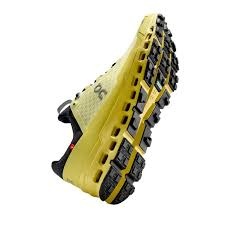
If you’ve spent more than ten minutes around a serious runner, a travel blogger, or just that one friend who won’t stop talking about their latest sneaker find, you’ve heard the term thrown around: on cloud shoes. At first, it sounds like marketing fluff. Shoes that feel like clouds? Sure. But then you see them. Those strange, hollowed-out soles. The sleek Swiss design. And before you know it, you’re down a rabbit hole of reviews, trying to figure out if the hype is real.
Here’s the honest take after putting several pairs through pavement, trail, and airport marathons.
What Exactly Are On Clouds? (And Why the Name Fits)
The brand is called On. The model that started it all is the Cloud. So when people say on clouds, they’re usually talking about the signature technology: a sole made of individual “cloud pods” that compress vertically and horizontally.
Most running shoes cushion in one direction—down. On clouds cushion in two. Those pods flex sideways on impact, then snap back to neutral. The result? You land soft, you push off firm. No sinking feeling. No marshmallow wobble.
The founder, Olivier Bernhard (a three-time world duathlon champion), wanted something that felt like running on soft ground but responded like a track spike. He literally molded garden hose segments into a prototype. Strange origin story. Even stranger that it worked.
Why On Cloud (Singular) Changed the Game for Everyday Wear
Here’s where the conversation usually shifts. Hardcore runners love the performance, but the real cult following came from people who never planned to run a single mile in them. On cloud shoes became the uniform of nurses, chefs, commuters, and new parents—anyone standing for ten hours straight.
The magic isn’t just the pods. It’s the speedboard hidden inside. That thin, flexible plate transfers energy from heel to toe unlike anything in the casual sneaker world. You don’t have to run to feel it. Just walk aggressively. You’ll notice a little spring. Not annoying. Just… helpful.
And the weight? Ridiculously light. A typical on cloud shoe hovers around 200 grams. That’s less than a hockey puck. You forget you’re wearing them. Then you look down at the end of the day and realize your feet don’t hurt. That’s not normal for most shoes.
Busting the Three Biggest Myths About On Cloud Shoes
Let’s clear up some confusion that keeps popping up in forums and comment sections.
Myth 1: “They’re only for running.”
Nope. The Cloud line branched years ago. There’s Cloudstratus for max cushion runners, Cloudnova for casual streetwear, Cloudrock for hiking, and Cloudterrain for wet trails. Your version of on cloud shoes depends entirely on your lifestyle.
Myth 2: “Small rocks get stuck in the pods constantly.”
This was true in the first generation. On redesigned the pods for the Cloud 5 onward. The gaps are narrower and deeper. Gravel still can get in, but it shakes out after two steps. If you live on a dirt road, grab the Cloudwaterproof model—tighter mesh, fewer gaps.
Myth 3: “They wear out fast.”
The rubber compound on the pods is a custom blend from Germany. Expect 400–500 miles for running. For walking? Two years minimum. The upper material (recycled polyester mesh) holds up better than most Knit sneakers. The only weak spot is the insole, which flattens after a year. Swap it for a $15 foam insole, and you’re good for another year.
Which Pair of On Clouds Should You Actually Buy?
Not all on clouds are created equal. The wrong model can feel stiff or too narrow. Here’s the cheat sheet.
For All-Day Standing (Nurses, Retail, Teachers)
Cloud 5 (men’s and women’s). The latest version has no laces—just a speed-lacing system that adjusts with one pull. The heel padding is thicker than previous models. Your feet won’t slide. Bonus: they’re machine washable on cold.
For Running (5K to Marathon Distance)
Cloudmonster. Yes, that’s the real name. Biggest cloud elements On makes. Maximum absorption. Still responsive, not mushy. Perfect for heel strikers.
For Travel and City Walking
Cloudnova. More sneaker-looking. Less technical vibe. Thicker tongue, more arch support, better grip on wet subway tiles. And they actually look good with jeans.
For Hiking and Wet Conditions
Cloudrock 2. Waterproof membrane. Climbing-style laces. Extra rubber along the toe cap. Heavy for on cloud shoes (still lighter than most boots), but your ankles will thank you after six miles of scree.
What Nobody Tells You About the Break-In Period
Here’s something I wish I’d known before my first pair. On cloud feel weird for the first three days. The pods are stiff out of the box. The speedboard clicks a little. You might think you made a mistake.
Then day four hits. The foam warms up. The pods loosen in sequence. And suddenly you understand.
Don’t judge them on the first walk. Take them on five short trips. Let your foot teach the shoe how to bend. After that, putting on any other sneaker feels like strapping cinder blocks to your legs.
Who Should Not Buy On Cloud Shoes
Honesty time. These aren’t for everyone.
- Wide feet. Most models run narrow. On makes a “T” (wide) version for the Cloud 5 and Cloudswift, but it’s still snugger than New Balance or Hoka.
- Zero-drop purists. The heel-to-toe drop is 7–9mm depending on the model. If you’re used to minimalist shoes, the raised heel will annoy you.
- Budget buyers. You’re looking at
- 140–
- 140–170. Sales are rare. On doesn’t discount much because resale value stays high. Used pairs on eBay still go for $80.
The Bottom Line
Are on cloud shoes magic? No. But they’re the first shoe in twenty years that actually solved a real problem: how to cushion without compromising response. The pods work. The speedboard works. And the design, love it or hate it, started a whole category of “visible technology” that every other brand is now copying.
If you’re on your feet all day, traveling through airports, or just tired of shoes that feel dead after three months, try a pair. Buy from a retailer with a return policy (Zappos, REI, or On’s own site). Wear them around your house for a weekend. If you don’t feel the difference by Sunday night, send them back.