
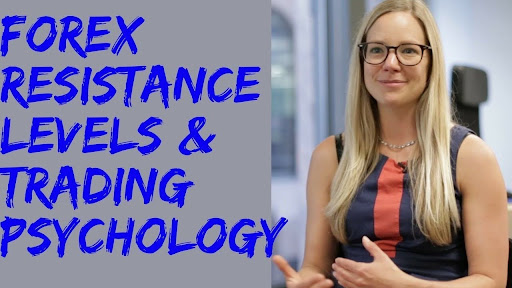
Psychology in forex trading more than any chart pattern or economic report ever could. Emotions like fear and excitement pull traders off course, turning solid plans into costly mistakes. Learning to control your mind creates the steady edge needed to thrive in this fast-moving market.
Emotions Shape Decisions
Every trade starts with a clear idea, but feelings often take over once prices move. Your brain wires for quick reactions to protect against loss, which works fine in daily life but fails in trading’s repeated cycles. New traders feel this most when a position dips, prompting hasty closes that cut winners short.
Over time, unchecked emotions build habits that erode accounts slowly. Winning streaks breed overconfidence, leading to bigger risks on the next deal. Losses spark doubt, making even good setups feel wrong in the moment. Recognizing these patterns marks the first step toward consistent results.
Top performers treat trading like a business, logging thoughts before and after each session. This simple practice reveals emotional triggers tied to specific market conditions. With awareness, you rewrite reactions into deliberate choices that align with long-term goals.
Fear Controls Entries
Fear hits hardest right before pulling the trigger on a new trade. You spot a perfect setup but hesitate, imagining every possible downside. Markets move on without you, leaving regret that clouds the next chance. This cycle keeps capital on the sidelines, missing steady growth opportunities.
It grows stronger after a string of losses, where self-doubt whispers that nothing works anymore. Experienced traders counter this by sticking to small, predefined position sizes that lower stakes enough for clear thinking. Proof from past wins in journals rebuilds trust when hesitation creeps in.
Breathing exercises or quick walks reset the mind during tense moments. Set firm rules like entering every valid signal within five minutes to build momentum. Over weeks, fear shrinks as successes stack, freeing you to act when edges appear.
Greed Fuels Overreach
Greed emerges after profits roll in, urging you to push for more by skipping normal limits. A good run feels endless, so you double down or chase bigger targets without stops. Reality snaps back eventually, wiping gains and leaving deeper scars than any single loss.
This trap thrives on recent highs, blinding you to risks building quietly. Discipline comes from preset profit levels based on strategy math, not mood. Take partial gains at key points to lock in wins while letting winners run under control.
Review greed-driven trades monthly to see the common path every time. Pair this with account rules capping daily risk, ensuring no single session derails progress. Habits like these turn fleeting thrills into compounding accounts year after year.
Hope Delays Exits
Hope clings to losing positions, convincing you that prices will reverse despite clear evidence otherwise. You move stops further or add funds, praying for a miracle bounce. This delays pain but guarantees larger hits when trends continue unbroken.
Choppy sessions feed it worst, with tiny upticks fueling false dreams. Cut losses becomes the key habit, using hard stops placed away from daily noise. Automate where possible so emotions never get a vote once entered.
Track hope trades separately to measure their true cost in pips and time. Celebrate quick cuts as victories, rewiring the brain to value capital protection above rescue attempts. This shift preserves buying power for real opportunities ahead.
Discipline Drives Consistency
Discipline means executing your plan exactly as designed, no matter how screens tempt otherwise. It overrides every emotional urge through daily repetition until automatic. Without it, brilliant analysis gathers dust while impulses rule the day.
Build it with checklists reviewed before each session, covering risk levels and mindset checks. Miss one trade? No problem, but note why for later review. Small wins like following rules during quiet days stack into unbreakable resolve.
Weak sessions test it most, often after disruptions like poor sleep. Step away instead of forcing actions, returning fresh when focus sharpens. Measure by obedience rates weekly, watching them climb as trading becomes routine.
Patience Waits Smartly
Patience sits through empty hours, waiting for setups matching your edge instead of forcing average ones. Rushing fills journals with mediocre entries that grind equity lower. Calm scanning across pairs keeps you sharp without premature triggers.
Dry spells test it hardest, when frustration builds from inaction. Remind yourself opportunities cycle endlessly in twenty-four-hour markets. Use time to study past charts or refine tools, turning waits into productive edges.
Reward patient days with mental pats, noting dodged poor trades. Longer timeframes naturally build this trait, where hours between signals teach tolerance. Patience spots moves others miss in haste, becoming your silent advantage.
Stress Management Essentials
Stress from losses or screen glare clouds judgment, amplifying every other emotion unfairly. It builds quietly from long hours, turning balanced traders into reactive ones. Short breaks every hour restore clarity better than pushing through fog.
Physical routines like walks or stretches release tension, sharpening focus for key decisions. Sleep and meals keep energy even, preventing fatigue-driven errors. Journal dumps clear mental clutter, capturing worries without letting them linger.
Scale sizes down during high-stress weeks, prioritizing preservation over gains. Weekly overviews spot patterns early, adjusting routines before burnout hits. Healthy traders see opportunities through stress others can’t, sustaining performance endlessly.
Long-Term Mindset Shift
Psychology mastery grows from honest daily work, not overnight fixes. Track emotional versus planned trades to quantify progress clearly. Rule wins matter more than daily balances, driving accounts higher over cycles.
Communities share stories normalizing struggles, reducing isolation during rough patches. Simple books reinforce tools when old habits resurface. Emotions evolve from dictators to useful signals, prompting pauses over blind follows.
In forex’s marathon nature, mind strength outlives every tactic. Tame it early, and markets reward steady hands through ups and downs. Start with one firm rule today, building the control that lasts a lifetime.