
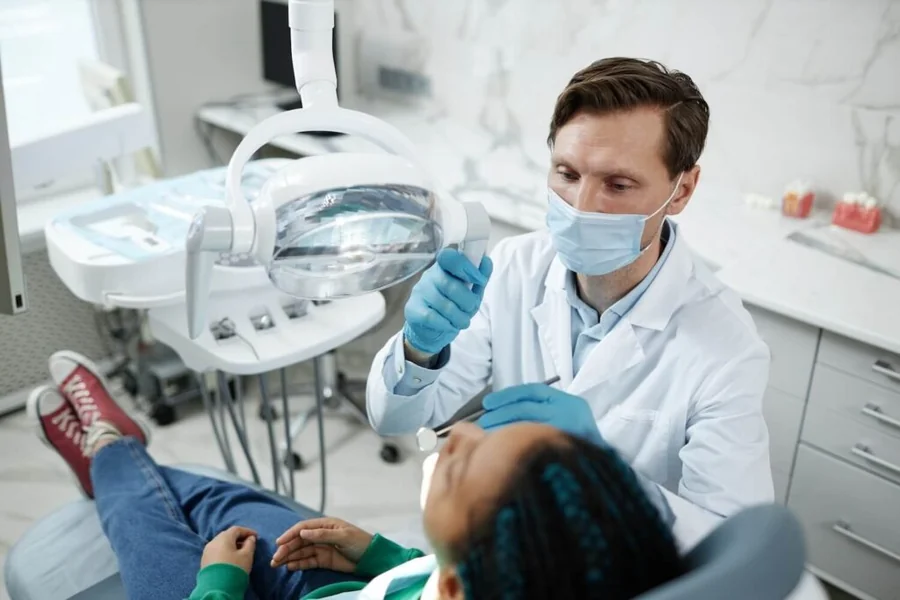
Athletic performance does not start and end with practice and nutrition. Your mouth also plays a direct role in how you train, recover, and compete. General dentistry gives you a quiet edge. It helps you breathe easier, sleep deeper, and avoid pain that can wreck focus in a single moment. A Beaverton dentist can track small changes in your teeth and gums that signal stress, grinding, dehydration, or injury risk. That same care can prevent infections that drain energy and slow reaction time. It can also protect your jaw from hits and reduce the chance of concussion through well fitted mouthguards. Every sprint, lift, or jump depends on steady oxygen, strong muscles, and clear thinking. Your oral health feeds all three. When you treat your mouth like part of your training plan, you protect your body and gain performance you can measure.
Why athletes need steady oral care
Sports put special strain on your mouth. You breathe hard through your mouth. You use sports drinks with sugar and acid. You clench your jaw under stress. You also face contact and falls. Each of these can damage teeth and gums if you ignore them.
General dentistry gives you three core supports.
- Early warning when stress or injury shows up in your mouth
- Routine cleanings that cut down decay and gum disease
- Custom guards and simple fixes that protect teeth and jaw joints
The goal is simple. You keep pain, infection, and dental emergencies away from training and game day.
How your mouth affects power, speed, and focus
Oral health links to the rest of your body. That link is strong and direct. The Centers for Disease Control and Prevention explains that gum disease is connected to heart disease and diabetes. Those same problems can blunt strength and slow healing.
For athletes, three mouth issues matter most.
- Chronic infection. Ongoing gum infection keeps your immune system on alert. That drains energy and can slow muscle repair.
- Breathing blockage. Swollen tissues, a narrow jaw, or jaw joint problems can limit nose and mouth airflow. That can push you toward mouth breathing and poor sleep.
- Pain and clenching. Tooth pain or jaw strain pulls focus away from form. It can also change your bite and neck posture.
Regular visits let your dentist track these risks. You then adjust training and care before you feel a sharp drop in performance.
Common sports habits that harm teeth
You may see yourself in at least one of these habits.
- Using sports drinks during every workout
- Chewing ice or hard candy
- Grinding teeth during intense effort
- Skipping mouthguards in practice
- Using energy gels without rinsing or brushing later
The National Institute of Dental and Craniofacial Research warns that many sports drinks erode enamel. That outer shell protects your teeth from decay. Once it wears down, tooth pain and breaks rise fast.
Key dental risks for athletes
| Risk | What you notice | How it hurts performance
|
|---|---|---|
| Tooth decay and cavities | Sharp pain with cold or sweet food | Distracts during training. Limits food choices and carb use. |
| Gum disease | Bleeding when you brush. Swollen or tender gums. | Lowers energy. Raises illness risk and slows recovery. |
| Teeth grinding | Jaw soreness. Morning headaches. Flat or chipped teeth. | Reduces sleep quality. Tightens neck and shoulder muscles. |
| Dry mouth | Sticky tongue. Bad breath. Hard time chewing dry food. | Makes swallowing and breathing feel harder. Increases decay. |
| Dental trauma | Chipped, cracked, or lost teeth after contact | Forces time off. Causes long treatments and high stress. |
How general dentistry protects young and adult athletes
Family based care helps both children and adults stay ready to play. The dentist reviews health history, sport type, and training load. Then you get a plan that fits your body and schedule.
That plan often includes three steps.
- Routine cleanings and exams. These remove plaque and tartar. They also catch small cracks or early decay.
- Fluoride and sealants. These protect enamel. They are useful for athletes who use sports drinks or have braces.
- Bite and jaw checks. These spot teeth grinding and jaw misalignment that can affect breathing and posture.
Parents can use these visits to teach children to see oral care as part of practice. That habit can last through high school, college, and beyond.
Custom mouthguards for safer play
Contact and high-speed sports carry a real risk of dental injury. Store-bought mouthguards help. Yet they often fit poorly. That poor fit can make talking and breathing harder. It can also leave gaps around teeth.
A general dentist can create a custom mouthguard that matches your teeth and bite. The benefits include three clear gains.
- Better shock absorption for teeth and jaw
- Less risk of cuts to lips, cheeks, and tongue
- Greater comfort so you wear it in practice and games
Some research links mouthguards to lower concussion risk. A snug fit spreads impact forces and may reduce jaw-driven head movement.
Daily habits that support performance-based oral care
You control much of your oral health at home and on the field. Simple steps give strong results when you repeat them every day.
- Brush twice each day with fluoride toothpaste
- Floss once each day to clear food and plaque between teeth
- Rinse with water after sports drinks, gels, or bars
- Use a mouthguard in any sport with contact or risk of falls
- Replace your toothbrush every three months or after illness
You can time brushing and snacks around practice. Try to brush at least thirty minutes after acidic drinks. That protects softened enamel.
When to see your dentist between regular visits
Do not wait for your next checkup if you notice any of these signs.
- Tooth pain that lasts more than one day
- Bleeding gums
- Jaw pain, popping, or locking
- Cracks, chips, or a tooth that feels loose
- Mouth sores that do not heal within two weeks
Quick care can turn a small issue into a short visit. Delay can lead to root canals, extractions, or missed games.
Make oral health part of your training plan
Your body works as one system. Strong teeth, calm gums, and a stable jaw support steady training, clear sleep, and sharp focus. General dentistry gives you structure and guidance. You then bring the daily effort.
When you add oral care to your training plan, you protect your time, your comfort, and your performance. You also set a strong example for younger athletes who watch how you care for your body.