
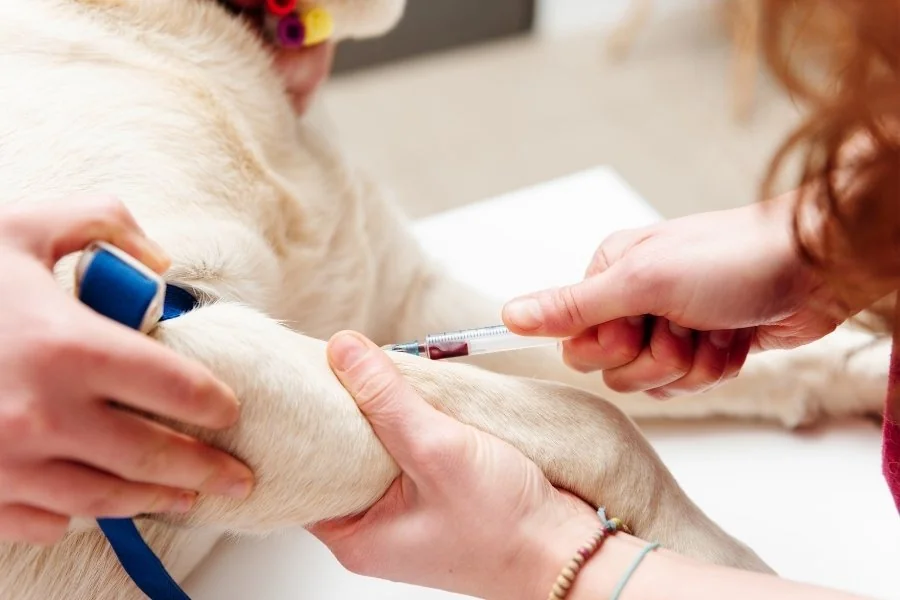
Yearly blood work gives you quiet facts about your pet’s health before trouble shows. You might think your pet looks fine. Yet hidden changes in organs, blood sugar, or the immune system can grow for months without clear signs. Regular tests help your Kanata veterinary team catch those changes early. That means your pet can get care before pain, weight loss, or weakness start. It also gives you a clear baseline for what is normal for your pet. Then small shifts stand out faster. Routine blood work supports safer anesthesia, better medication choices, and clearer answers when your pet seems “off” but you cannot explain why. It also offers you peace of mind. You know you are not guessing. You are acting on real numbers that protect your pet’s comfort, energy, and life.
1. You catch silent disease early
Many common pet diseases grow in silence. Your pet can eat, play, and snuggle while organs strain in the background. You see a happy face. The blood test sees the stress.
Yearly blood work can help uncover early signs of:
- Kidney disease
- Liver disease
- Diabetes
- Thyroid problems
- Anemia and clotting problems
- Infections and inflammation
The U.S. Food and Drug Administration notes that kidney disease in pets often shows no signs until much of the kidney is already damaged. Early blood tests can show small changes in kidney values long before your pet stops eating or starts drinking more water.
When you find disease early, treatment can start sooner. That can slow damage. It can protect comfort. It can also lower the risk of sudden crises that send you to the emergency clinic at night.
2. You build a clear health baseline
Every pet has a personal “normal.” A single blood test gives a snapshot. Regular yearly tests give a story.
When your veterinarian has several years of results, small shifts are easier to see. A value that is still in the normal range may still concern your veterinarian if it has climbed each year. That pattern can warn of slow change in the kidneys, liver, or hormones.
This baseline helps when your pet gets sick. Your veterinarian can compare new results to past ones and see what changed. That can speed up diagnosis and shorten your pet’s discomfort.
Example: Kidney value trend in a senior cat
| Year | Creatinine (mg/dL) | Within lab normal range | What you might see at home
|
|---|---|---|---|
| Age 8 | 1.0 | Yes | No signs |
| Age 9 | 1.3 | Yes | No signs |
| Age 10 | 1.6 | Borderline | Maybe slight thirst |
| Age 11 | 2.0 | No | Weight loss and more urine |
With yearly tests, your veterinarian can talk with you at age 9 or 10 about diet changes, more water, and follow up checks. Without that history, kidney disease may only show at age 11 when your cat already feels sick.
3. You protect your pet during surgery and medication
Any time your pet needs anesthesia or long term medicine, blood work acts like a safety check. You would not want a car mechanic to guess about your brakes. You should not want guessing about your pet’s organs either.
Before surgery, blood tests can help your veterinarian:
- Check kidney and liver values that clear anesthetic drugs
- Review red and white blood cell counts
- Look at clotting signs
If results show a concern, your veterinarian can adjust the plan. That might mean a different drug, extra fluids, or, in some cases, delaying surgery until it is safer.
For pets on long-term medicine, such as pain control or seizure drugs, regular blood work can show how the body handles the drug. The Merck Veterinary Manual explains that some drugs can strain the liver. Routine tests can catch that strain early so your veterinarian can lower the dose or change medicine before damage grows.
4. You gain clearer answers and a stronger peace of mind
Few things feel worse than seeing your pet act “off” and not knowing why. Blood work does not answer every question. Yet it gives real clues.
When your pet is tired, drinks more, or eats less, blood tests can help your veterinarian sort through common causes. That can prevent a long trial and error. It can also show when more tests, such as X-rays or ultrasounds, are worth it.
Even when results are normal, you gain something important. You know you checked. You know your pet’s organs, blood sugar, and blood counts match what is expected for age and breed. That knowledge can calm worry. It can also guide choices about food, exercise, and future checks.
What yearly blood work often includes
Your veterinarian may suggest a few core test groups during a yearly visit.
- Complete blood count (CBC). Looks at red and white blood cells and platelets.
- Chemistry panel. Reviews kidney and liver values, proteins, and electrolytes.
- Thyroid test. Common for older cats and some dogs.
- Urinalysis. Often paired with blood work for kidney checks.
The exact plan depends on your pet’s age, breed, and past health history. Senior pets and pets with chronic disease may need tests more often than once a year.
How to plan yearly blood work for your pet
You can take three simple steps.
- Schedule a yearly exam and ask for baseline blood work.
- Keep copies of results so you can see changes over time.
- Talk with your veterinarian about any new signs at home before the test.
If cost is a concern, say so. Many clinics offer wellness plans or can space out tests. The key is to start and then keep testing on a steady schedule.
Summary
Yearly blood work is not extra. It is core care that helps you:
- Catch silent disease early
- Build a clear baseline for your pet
- Protect your pet during surgery and medicine
- Gain clearer answers and peace of mind
Your pet cannot speak. Blood work does. You give your pet a stronger chance at a longer, steadier life when you choose these simple yearly tests.