
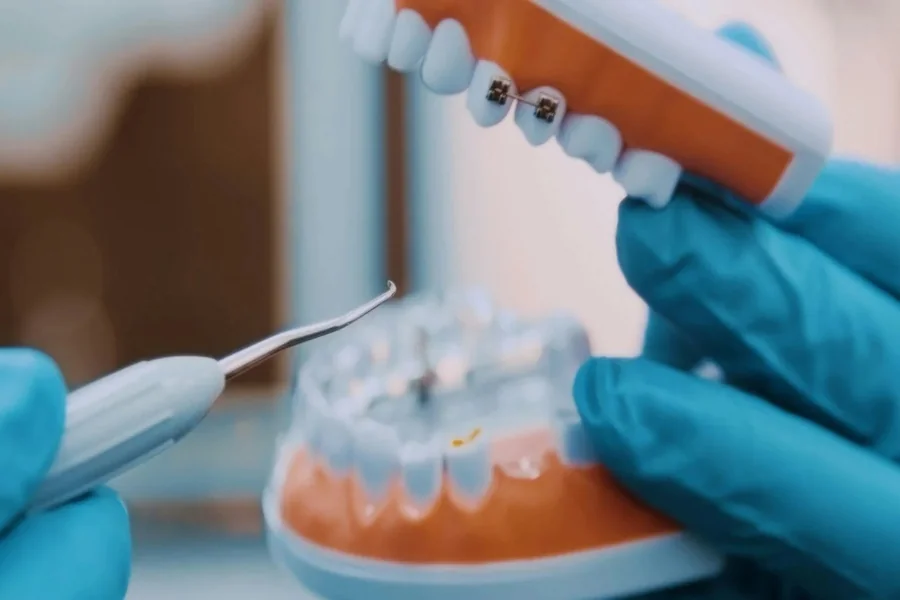
You want your dental treatment to last. Office visits help a lot, but what you do at home protects your teeth every single day. Whether you just finished a cleaning, had fillings done, or completed root canal treatment in Brookhaven, GA, your routine at home decides how well you heal and how long your results stay. This blog walks through six clear steps you can use right away. You will see how to clean your teeth, what to eat and drink, and how to watch for early warning signs of trouble. You will also learn simple habits that lower pain, swelling, and fear before your next visit. These steps do not replace your dentist. They support the care you already receive and give you more control over your mouth, your comfort, and your future health.
1. Brush with care and a clear schedule
You need a set brushing routine that you follow every day. That routine protects fillings, crowns, and other work from new decay.
- Brush two times each day for two minutes
- Use fluoride toothpaste
- Choose a soft bristle brush to avoid gum damage
- Replace your brush every three months or after illness
Short, gentle strokes clean teeth without scraping gums. You reach the gumline, the chewing surfaces, and the back teeth where decay often starts. You also clean your tongue to cut odor and reduce bacteria.
The Centers for Disease Control and Prevention explains that fluoride helps rebuild weak enamel and slows decay.
2. Floss to protect the work you already paid for
Your toothbrush does not reach between teeth. Food stays trapped. Bacteria grow. That puts pressure on fillings, crowns, and sensitive gums.
You protect your care when you floss every day.
- Use about 18 inches of floss so you start with a clean section for each tooth
- Slide the floss between teeth with a gentle back and forth motion
- Curve it in a C shape against each tooth
- Clean under the gumline with care
For children or adults with tight spaces, floss picks or small interdental brushes can help. You still need the same careful motion. You do not snap the floss. You guide it.
3. Choose food and drinks that protect your mouth
What you eat and drink can support or damage your dental work. Sugar, acid, and constant snacking feed decay. That breaks down fillings and irritates gums.
You can make simple shifts.
- Drink water instead of soda or sports drinks
- Limit juice and sweet tea to mealtimes
- Chew sugar-free gum with xylitol after meals
- Eat cheese, nuts, and crisp vegetables as snacks
Water rinses away food. Xylitol gum cuts bacteria. Crunchy vegetables like carrots help clean tooth surfaces. You gain more comfort with each choice.
4. Compare daily habits that help or harm your teeth
Daily habits either support your treatment or work against it. This table shows common actions and how they affect your mouth.
| Habit | Effect on Dental Work | Better Option
|
|---|---|---|
| Sipping soda through the day | Baths teeth in sugar and acid. Increases decay around fillings and crowns. | Drink water between meals. Keep soda only with meals if you use it at all. |
| Chewing ice or hard candy | Cracks, fillings, and chips in enamel. Causes sudden pain. | Let ice melt in your drink. Choose softer snacks like nuts if safe for you. |
| Brushing hard right after acid drinks | Scrubs softened enamel. Increases wear and sensitivity. | Rinse with water. Wait 30 minutes. Then brush with a soft brush. |
| Nighttime snacking on sweets | Leaves sugar on teeth for hours. Raises risk of decay under existing work. | Stop eating after brushing. If you must snack, choose cheese or nuts. |
| Skipping floss when gums bleed | Let’s plaque stay. Bleeding often gets worse. | Keep flossing each day. Bleeding often eases with steady care. |
5. Use fluoride and mouth rinses with a plan
Fluoride makes enamel stronger. That matters after fillings, crowns, and root canals. Enamel around the treated tooth stays at risk.
You can use fluoride in three ways.
- Fluoride toothpaste
- Fluoride mouth rinse if your dentist agrees
- Fluoride tap water where it is available
The American Dental Association explains that community water with fluoride cuts tooth decay in children and adults.
You do not swallow toothpaste or rinse. You spit it out. You also keep fluoride products away from very young children unless a dentist gives clear instructions.
6. Guard your teeth from grinding and sports injuries
Grinding, clenching, and sports hits can undo treatment. They crack fillings and wear down crowns. Many people grind at night without knowing. Morning jaw pain, headaches, or flat front teeth can be signs.
You protect your mouth when you
- Talk with your dentist about a night guard if you grind
- Use a mouth guard for any contact sport
- Avoid using teeth to open packages or bottles
A custom guard from your dentist fits your bite. It spreads pressure. It keeps force off fragile teeth and dental work. A store-bought guard can help if you cannot get a custom one yet. You still need your dentist to check the fit.
7. Watch for early warning signs and act fast
Dental problems grow fast when you ignore them. You can catch trouble early if you watch for clear signals.
- Pain when chewing
- New sensitivity to hot, cold, or sweet food
- Swelling in gums or face
- Chipped or loose fillings or crowns
- Persistent bad breath or bad taste
You do not wait for unbearable pain. You call your dentist when you see these changes. Quick care often means a simpler fix and less cost. It also protects nearby teeth.
8. Build a simple home routine you can keep
You do not need a complex plan. You need a steady one. Use the rule of three.
- Three tasks each day. Brush two times. Floss one time.
- Three smart choices with food and drink. More water. Less sugar. Fewer snacks.
- Three safety checks. Look at your gums. Feel for rough edges. Notice any new pain.
You support every cleaning, filling, and root canal with these steps. You lower fear, stop many emergencies, and gain more calm in the chair. Your mouth feels stronger. Your body carries less hidden stress. You deserve that relief.