
You do not need a mouth full of problems to care about your teeth. You only need today. Small daily habits protect you from pain, high bills, and time in the dental chair. They also protect your heart, lungs, and blood sugar. Your mouth shows early warning signs for many diseases. A Brentwood, CA dentist sees the same patterns in children, adults, and older patients. The same simple steps work for all. This blog explains five preventive habits that fit into any routine. You will see what to do, how often, and why it matters. You will also see how to help a child, support an aging parent, and protect your own health at the same time. You cannot control everything. You can control these habits.
1. Brush twice a day with purpose
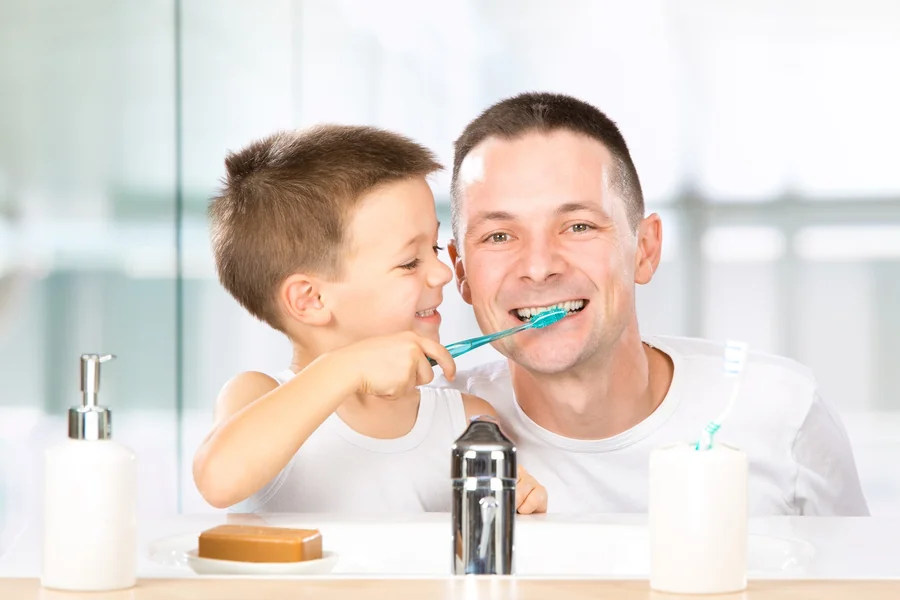
Brushing sounds simple. Many people still rush through it. You need two minutes in the morning and two minutes at night. Set a timer. Focus on every surface of every tooth. Use a soft brush and fluoride toothpaste.
Use this pattern:
- Top outside
- Top inside
- Top chewing surfaces
- Bottom outside
- Bottom inside
- Bottom chewing surfaces
Do not scrub hard. Use small circles at the gum line. Replace the brush every three months or when the bristles bend. Help young children by guiding their hand. Check older family members for missed spots.
The Centers for Disease Control and Prevention explains that untreated cavities are common in children and adults. You reduce that risk when you remove sticky plaque every day.
2. Floss once a day to reach hidden spaces
Toothbrush bristles do not reach between teeth. Food and germs stay trapped. That hidden buildup leads to bleeding gums and bone loss. Flossing once a day cleans those tight spaces.
Use about 18 inches of floss. Wrap it around your fingers. Slide it gently between teeth. Curve it in a C shape against each tooth. Move it up and down. Do not snap it. For children, use floss picks if that helps. For adults with limited hand strength, use a floss holder.
Make flossing part of the night routine. Attach it to a habit you already have. You can floss after brushing, after washing your face, or before reading in bed. The key is the same time every day.
3. Choose tooth smart food and drinks
What you eat touches your teeth all day. Sugar and starch feed bacteria. Those bacteria make acid. Acid weakens enamel. Over time you get holes in teeth.
Use this simple guide.
| Choice | Better for teeth | Harder on teeth
|
|---|---|---|
| Drinks | Water, plain milk, unsweet tea | Soda, sports drinks, juice, sweet coffee |
| Snacks | Cheese, nuts, yogurt, fresh fruit, raw veggies | Candy, cookies, chips, sticky fruit snacks |
| Timing | Three meals and one snack | Snacking or sipping all day |
Try these three steps.
- Drink water with every meal and snack
- Keep sweets for rare treats, not daily habits
- Offer teeth friendly snacks at home
The National Institutes of Health explain that frequent sugar use raises cavity risk.
4. See the dentist on a steady schedule
Regular checkups catch small problems early. They also clear hard tartar that you cannot remove at home. Most people need a visit every six months. Some need more. Your dentist sets that schedule based on your risk.
Each visit should include three parts.
- Check of teeth, gums, and soft tissue
- Cleaning to remove plaque and tartar
- Talk about habits, medicine, and changes in health
Children should see a dentist by their first birthday or when the first tooth shows. Older adults with health issues still need regular visits. Even if they have dentures, the dentist checks the mouth for sores and cancer.
Use a calendar or phone reminder. Book the next visit before you leave the office. Ask for printouts for school or work if needed.
5. Protect teeth during sports and at night
Hits to the mouth can break or knock out teeth. Many of those injuries happen during sports and play. A simple mouthguard protects teeth, lips, and jaws.
Use a mouthguard for:
- Contact sports such as football and hockey
- Court sports such as basketball
- Recreation such as skateboarding and biking
For heavy clenching or grinding during sleep, a night guard can protect teeth from wear and cracks. Ask your dentist if you notice jaw pain, morning headaches, or flat teeth. Children who grind often outgrow it. Adults may need long term protection.
Simple goals for every age
You can use the same five habits for children, adults, and older family members. You only adjust the support.
| Age group | Main focus | Support from family
|
|---|---|---|
| Young children | Learning routine and skills | Brush and floss for them. Limit sweets. Schedule visits. |
| Teens and adults | Consistency and food choices | Keep supplies at home. Plan meals. Encourage checkups. |
| Older adults | Comfort and safety | Check brushing. Watch for dry mouth. Help with rides. |
Take the next small step today
You do not need a full makeover. You just need one change that you can keep. Choose one habit. Set a clear time and place. Tell someone in your home so they can support you. Then add the next habit when the first one feels steady.
Your future self will thank you for the teeth you saved, the pain you avoided, and the strength you kept. Start tonight.